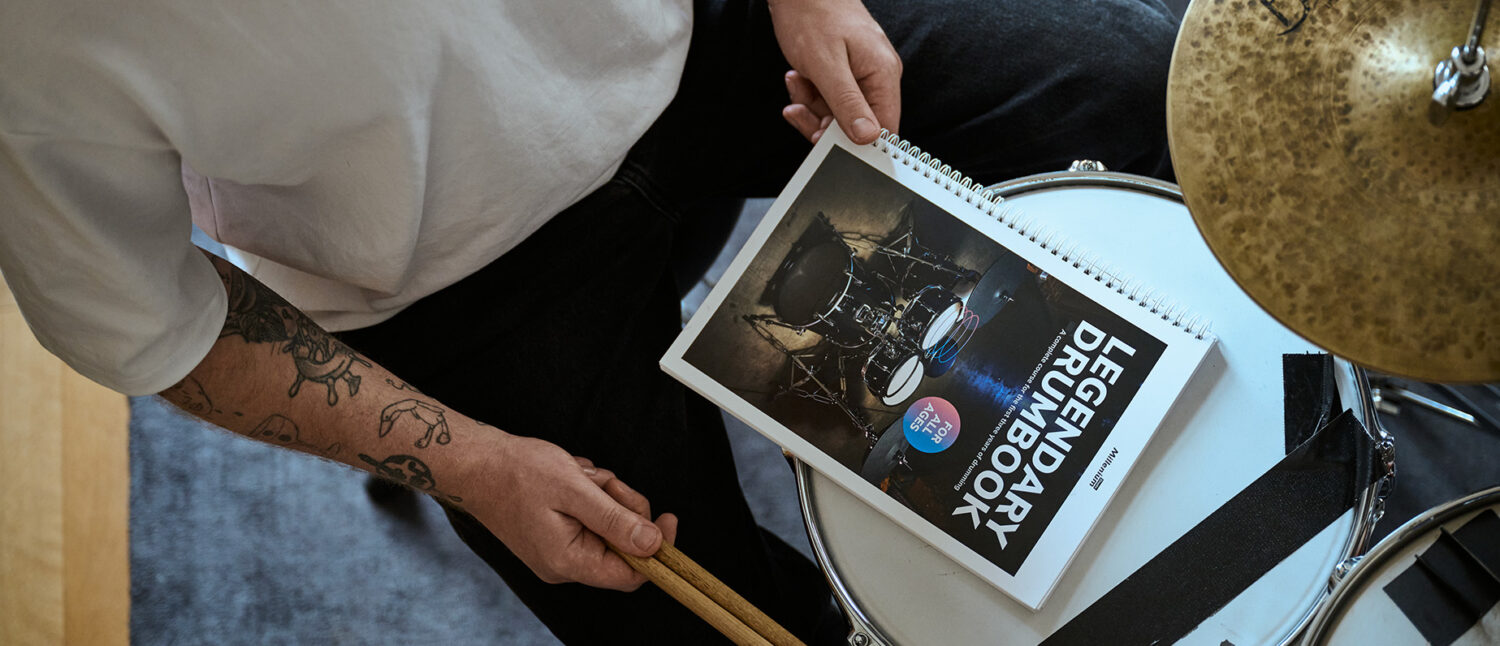
Practicing Drums Effectively
Everyone can become a solid drummer – and it’s hardly ever a lack of talent or gear that’s holding you back. The key is consistent practice that actually helps you improve. In this article, we’ll show you a few practical tips to make your time behind the kit more focused and productive.
Leave the Comfort Zone
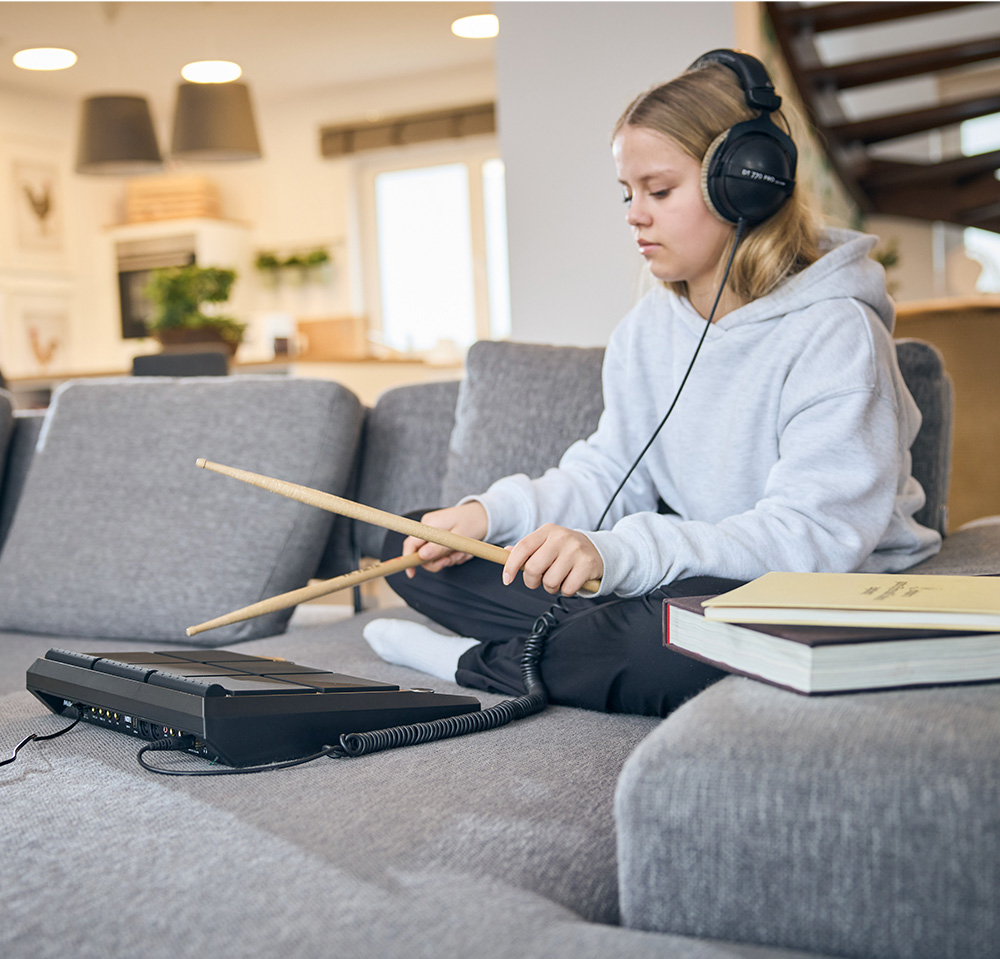
One thing’s for sure: playing the same old grooves and fills over and over again won’t take your playing any further. To grow as a musician, you’ll need to step out of your comfort zone and work on things that challenge you. At the same time, it’s important not to push yourself too hard or take on too much at once.
Whether you’re building your technique, learning a new groove or working on a full transcription of a drum solo, it helps to break things down in small steps. Focus on short term goals and keep track of your progress. Always start slow, and when building speed, play with a metronome and increase the tempo gradually. When learning longer pieces, start with a manageable section and take your time until it sticks in your muscle memory.
With the right goals, you’ll start seeing progress quickly. Books or lessons on YouTube can offer inspiration, but they can easily overwhelm you with too much information. There’s really no substitute for a good teacher who understands where you are in your journey and who helps you find directions.
Record Yourself
Another key role of a teacher is to provide you with objective feedback on your playing. In addition, one of the best ways to track your progress is by recording yourself. A quick audio or video clip on your phone is enough. Listening back to your recordings will reveal things you didn’t notice while playing, from timing issues to subtle mistakes. It’s also a great way to build confidence as a musician.
Stick to the Plan
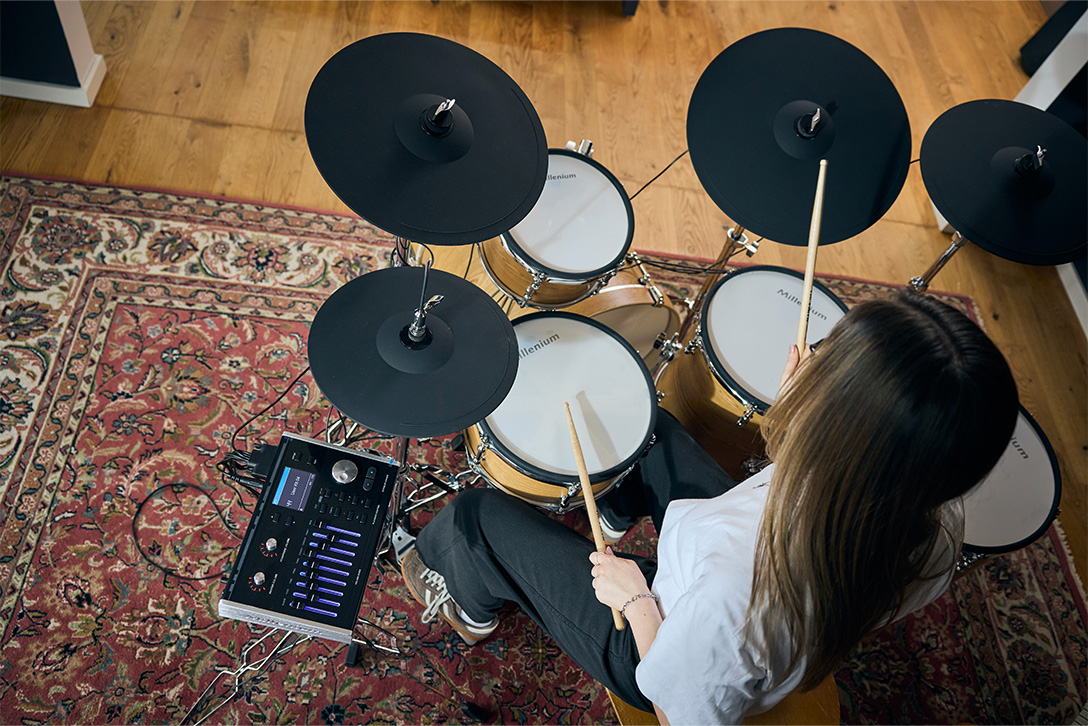
Even if you only have half an hour a day, make it count by sticking to a structured practice plan. Start with a light warm-up – something to ease in and get your head in the game. Single strokes or basic rudiments at a slow tempo are perfect. Then, focus on two or three areas (or more), like technique, independence, grooves, fills, sight reading, improvising, or learning a song.
Whatever you choose, set a clear goal and make it part of your routine. In the long run, short but consistent practice will take you further than occasional marathon sessions.
Enjoy!
With all these deliberate and structured practice methods mentioned, don’t make the mistake of only focusing on improving your performance. Treat your time on the instrument as quality time, and don’t turn it into a stress session. Take regular breaks to recharge and stay sharp. Once your concentration drops, it’s time to stop. And remember: The best players are still students, always learning and refining their skills. Enjoy the process, and keep growing!